Laser materials and blanks
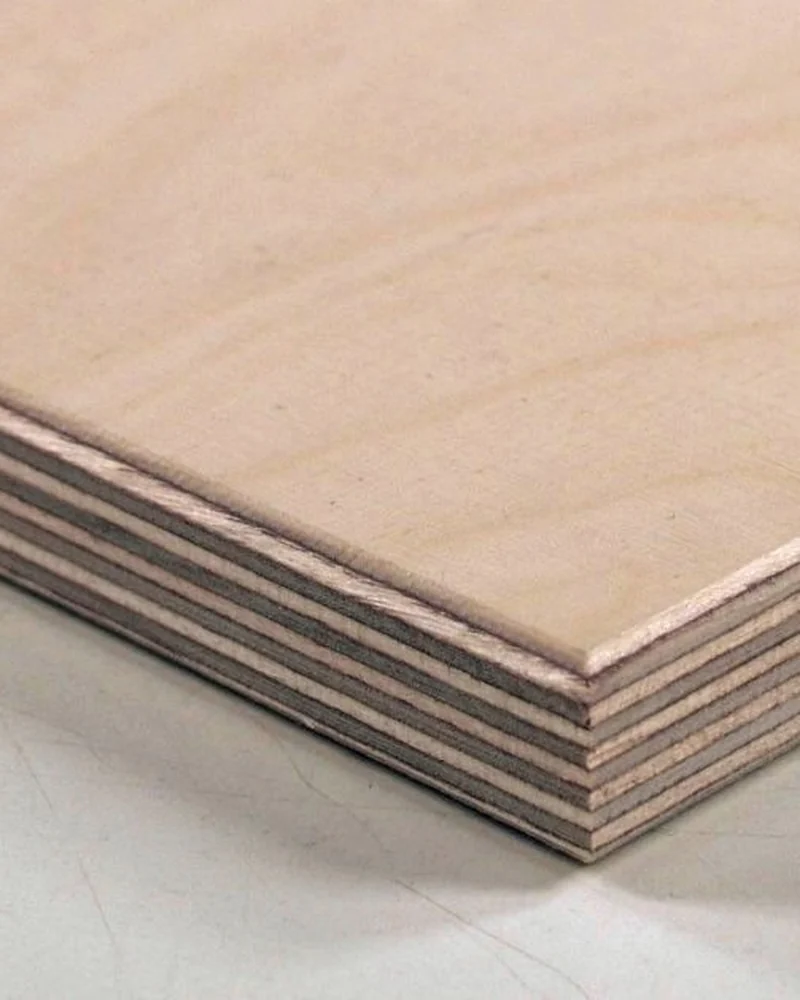
Basswood plywood Pale plywood that marks dark. For coasters and signs.
As an Amazon Associate, LaserNook earns from qualifying purchases.
Basswood plywood is a pale, even sheet. A laser mark shows up dark, and the sheet stays flatter than a rough board from a home center.
Use it for coasters, ornaments, and small signs. Avoid unknown plywood with heavy glue lines. Measure the thickness you received. The manual and the material guide beat a guess.
Good for
- Coasters
- Ornaments
- Keychains
- Signs
As an Amazon Associate, LaserNook earns from qualifying purchases.
Hardwood blanks Solid walnut, maple, or cherry. For boards and signs.
As an Amazon Associate, LaserNook earns from qualifying purchases.
Hardwood blanks are solid walnut, maple, or cherry with real grain. Grain changes how dark a mark looks from one board to the next.
Good for boards, coasters, and boxes. Name the species. If you cannot name it, do not laser it. Pressure-treated wood does not belong in the machine.
Good for
- Boards
- Coasters
- Signs
- Boxes
As an Amazon Associate, LaserNook earns from qualifying purchases.
MDF Smooth board with no grain. Vent the smoke.
As an Amazon Associate, LaserNook earns from qualifying purchases.
MDF is a smooth fiberboard with no wood grain, so a mark can look even. The sheet is wood dust plus binders, and the smoke is a ventilation problem.
Use it for practice, stencils, and jigs if you exhaust the smoke. It is a poor choice for something people handle all day when solid wood is available.
Good for
- Practice
- Stencils
- Jigs
As an Amazon Associate, LaserNook earns from qualifying purchases.
Cork Soft sheet that marks dark. For coasters and tags.
As an Amazon Associate, LaserNook earns from qualifying purchases.
Cork marks dark and cuts, and it scorches if the laser lingers. It is soft, so a light pass is enough for a coaster or a tag.
Test a corner. A job that sits in one spot turns the cork black and brittle. Watch it the same way you watch paper.
Good for
- Coasters
- Trivets
- Tags
As an Amazon Associate, LaserNook earns from qualifying purchases.
Veg-tan leather Vegetable-tanned hide that brands brown. Not chrome-tan.
As an Amazon Associate, LaserNook earns from qualifying purchases.
Vegetable-tanned leather brands to a brown mark. That is the leather people mean when they say a laser can mark hide.
Chrome-tanned leather is a different product and does not belong in the machine. If the label does not say vegetable-tanned, do not guess.
Good for
- Patches
- Key fobs
- Covers
As an Amazon Associate, LaserNook earns from qualifying purchases.
Laserable leatherette Only sheets sold as laser-safe. Never ordinary vinyl.
As an Amazon Associate, LaserNook earns from qualifying purchases.
Some leatherette is sold specifically as laser-safe. Ordinary PVC, vinyl, and PU faux leather must not be lasered. The smoke from PVC is a reason to stop, not a smell to ignore.
Buy the sheet that says it is for lasers, and keep the product name. A bargain roll with no ingredients is a no.
Good for
- Hat patches
- Tags
- Labels
As an Amazon Associate, LaserNook earns from qualifying purchases.
Cast acrylic Cast sheet that frosts white. Clear needs a CO2.
As an Amazon Associate, LaserNook earns from qualifying purchases.
Cast acrylic frosts to a white mark when engraved. Extruded acrylic behaves differently and can melt more. Ask which one you are holding.
A diode marks dark or coated sheet. Clear acrylic is a CO2 job. Leave the protective film in place until you know whether the job needs it, and follow the material guide.
Good for
- Signs
- Earrings
- Ornaments
As an Amazon Associate, LaserNook earns from qualifying purchases.
Anodized aluminum Colored metal tags. The beam lifts the color.
As an Amazon Associate, LaserNook earns from qualifying purchases.
Anodized aluminum cards and tags have a colored coating. The laser lifts that color. It does not cut through the metal.
Bare aluminum is a different job and usually wants a fiber laser. Do not expect a diode to engrave shiny bare metal the way it marks a black card.
Good for
- Business cards
- Pet tags
- Labels
As an Amazon Associate, LaserNook earns from qualifying purchases.
Tumblers Coated cups that mark. Bare steel needs fiber.
As an Amazon Associate, LaserNook earns from qualifying purchases.
A powder-coated tumbler can lose the coating in the shape of your design. That is the usual hobby mark. You need a rotary so the cup turns.
Bare stainless does not mark the same way. That job is a fiber laser. Read the cup. A coated cup and a bare cup are different materials.
Good for
- Drink cups
- Monograms
- Gifts
As an Amazon Associate, LaserNook earns from qualifying purchases.
Slate coasters Stone that engraves light. It does not cut.
As an Amazon Associate, LaserNook earns from qualifying purchases.
Slate engraves to a light mark against the dark stone. It is for coasters, small signs, and ornaments.
It does not cut. Do not loop a cut job and expect a hole. The stone can crack if the art is a deep score at full power. Test a corner.
Good for
- Coasters
- Signs
- Ornaments
As an Amazon Associate, LaserNook earns from qualifying purchases.
Ceramic tiles Glazed tile that takes a mark. It does not cut.
As an Amazon Associate, LaserNook earns from qualifying purchases.
Glazed ceramic takes a surface mark. People use it for coasters and address tiles.
It does not cut. A mark that is too hot can chip the glaze. Test one tile from the same batch before you run a set.
Good for
- Coasters
- Address tiles
- Labels
As an Amazon Associate, LaserNook earns from qualifying purchases.
Glass Frosts where the beam hits. A diode needs a coat.
As an Amazon Associate, LaserNook earns from qualifying purchases.
Glass frosts where the laser hits. A CO2 does that on many blanks. A diode usually needs a dark coat on the glass first, then you wash the coat off.
It can crack from heat. Do not leave the beam sitting still. Ornaments and boards are the usual jobs, not a drinking glass you will put in a dishwasher without checking the blank.
Good for
- Ornaments
- Boards
- Glasses
As an Amazon Associate, LaserNook earns from qualifying purchases.
Cardboard & paper Cuts easily, and it can catch fire. Stay with it.
As an Amazon Associate, LaserNook earns from qualifying purchases.
Cardboard and paper cut and engrave at low power. They also catch fire. Stay with the job. Do not walk away.
Use them for cards, boxes, and tags. An extinguisher you can reach matters more here than on a slate coaster. Never laser plastic-coated paper you cannot identify.
Good for
- Cards
- Boxes
- Tags
As an Amazon Associate, LaserNook earns from qualifying purchases.